How to Import Fitness Equipment from China: A Complete Guide
When I first started trying to source imported equipment for my gym, the results were truly awful. Three pieces of expensive equipment were severely damaged in transit and couldn’t even function properly, and I had received absolutely no warning beforehand. At that time, I had no idea who to contact, which led to me not only losing a large sum of money but also wasting several weeks. After this incident, I thoroughly re-studied the entire import process, and eventually, as my learning deepened, I gradually found more effective methods.
I am publishing these methods in the form of an article, hoping that other owners looking to import fitness equipment can avoid the difficulties I previously faced. I also hope to help you smoothly import the fitness equipment you need from China, ensuring the quality, price, and shipping process are much smoother. If you are preparing to import fitness equipment, this article should save you considerable time, money, and hassle. So let’s get started!
Step One: Clarify the Type of Fitness Equipment You Need
Before looking for a supplier for fitness equipment, the first step is to confirm your needs. You need to clearly list the equipment you intend to purchase, especially specifying the category, function, and specifications of the equipment. I think many people are like I was before; when starting to import, they didn’t prepare a clear requirements list, which resulted in not only wasted time but also increased costs due to difficult communication.
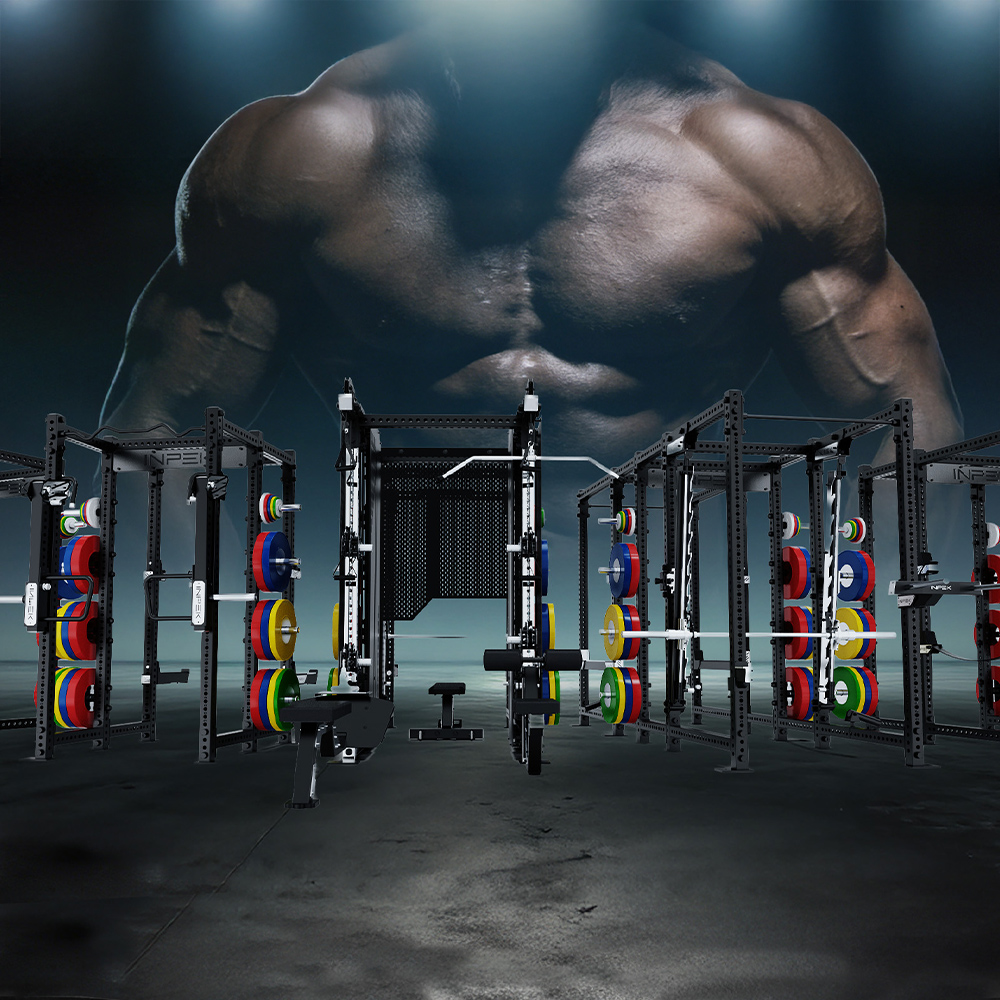
Equipment Categorization: Strength Training Equipment: Such as free weight machines, Smith machines, squat racks, etc. Cardiovascular Equipment: Including treadmills, fitness bikes, etc. Functional Equipment: Such as yoga mats, kettlebells, resistance bands, and other equipment suitable for studio use.
Equipment Specifications and Functions: Confirm the dimensions, specifications, and functions of each piece of equipment. For example, whether the treadmill needs an LED display, or whether the dumbbells need an anti-slip coating. Consider the durability of the equipment and the frequency of use after deployment: Is the equipment intended for home or commercial environments? Once you have clarified these needs and produced a checklist for them, you can more effectively look for suitable suppliers and avoid confusion during the quotation and manufacturing process.
Step Two: How to Find Reliable and Suitable Suppliers
Finding a reliable supplier is the most critical link in the entire import process. In the beginning, I also made the mistake of choosing the supplier with the lowest price because I wanted to save money, without verifying their qualifications and quality. As a result, the equipment quality was subpar, delivery was delayed, and a lot of time and money was wasted. So, how do you find these suppliers? Here is my advice:
Tips for Finding Reliable Suppliers: Use Platforms: Websites like Alibaba, Made-in-China, and Global Sources offer a massive number of suppliers. You can use filtering features to find suppliers with good credibility. Attend Trade Shows: At events like the China Sport Show, you can communicate directly with suppliers face-to-face to ensure mutual trust. Independent Websites and Social Media: Use Google Search to find relevant independent websites and fully understand all the supplier’s information. Find preferred suppliers through social media like LinkedIn and Facebook.
Avoidance Guide: Pricing Too Low: If a supplier’s quote is significantly lower than the market price, there may be quality issues or even a risk of fraud. Poor Communication: If a supplier responds slowly to your questions or avoids them, this might indicate poor service quality. Request Samples: Suppliers are usually willing to provide samples for your inspection.
Step Three: Verify Sample Quality
Before making a payment, demand that the supplier provide samples for quality inspection. This step is crucial and can help you avoid receiving poor-quality products. By physically inspecting the samples, you can ensure they meet your expectations and comply with your requirements.
Key Points for Sample Inspection: Materials and Craftsmanship: Ensure the materials used meet standards, and processes like welding and surface treatment meet requirements. Functional Testing: Ensure the equipment operates normally, check the usability of all components, especially the durability of high-load parts. Packaging and Shipping Safety: Inspect the sample’s packaging to ensure it is not easily damaged during transit. If possible, you can also request a third-party quality inspection company (such as SGS, Bureau Veritas, etc.) to conduct a pre-shipment inspection to further ensure quality.
Step Four: Understand Pricing and Hidden Costs
Many newcomers, when first purchasing imported equipment, often only focus on the unit price. In fact, the unit cost is just the beginning of importing equipment; shipping, customs duties, insurance, and other fees constitute your final expenditure.
Costs to Understand: Shipping Costs: Including sea freight, air freight, etc. Sea freight is generally suitable for large volume goods, and air freight is suitable for urgent orders. Customs Duties and VAT: Since tax rates vary in different countries, you must understand the HS code tax rate in your location and calculate the relevant taxes for each type of equipment. Port and Storage Fees: Including handling fees, warehousing fees, etc., these costs will vary depending on the destination country. Customs Clearance Fees: If you lack customs clearance experience, it is recommended to hire a professional customs broker; this part of the fee is generally not too expensive. Based on these costs, you can calculate the approximate total cost of this batch of equipment and ensure it does not exceed your budget.
Step Five: Shipping and Logistics Arrangements
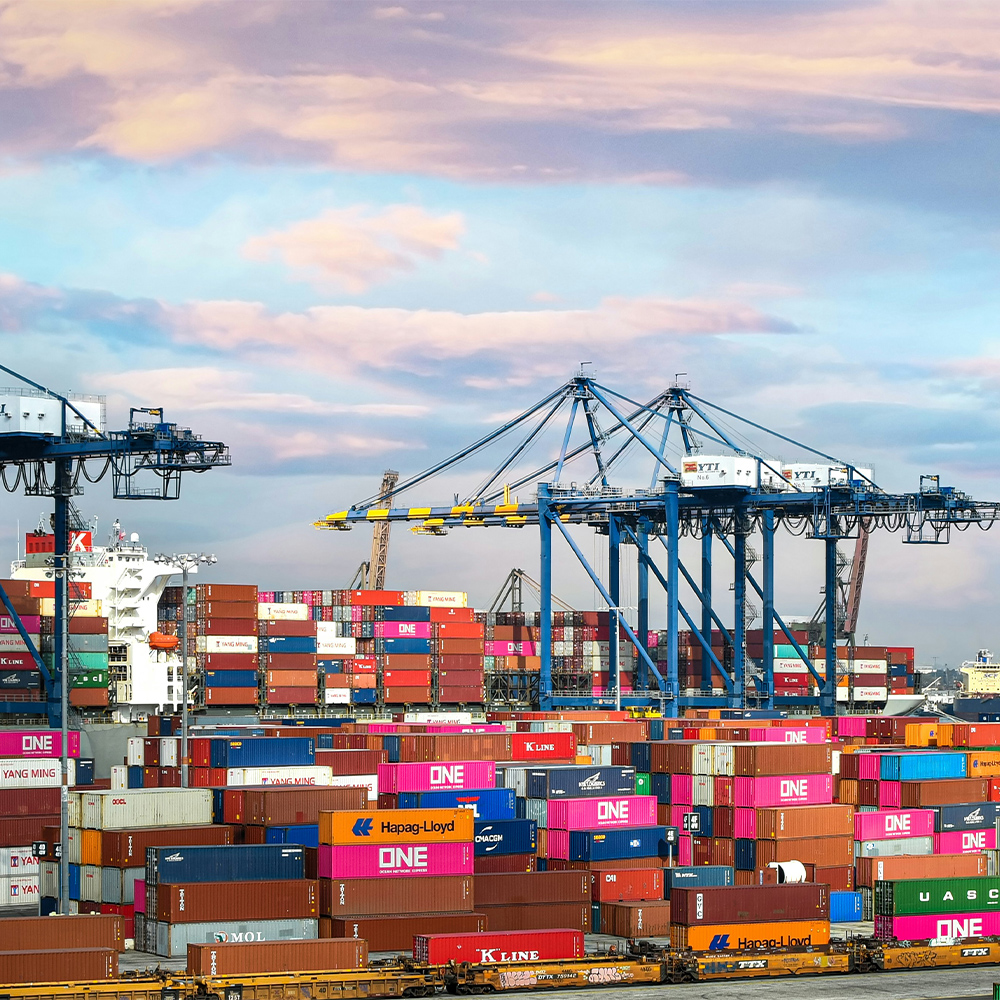
Shipping is one of the critical steps in the import process, especially when dealing with heavy fitness equipment. Choosing the right shipping method ensures safe delivery and avoids delays.
Choice of Shipping Method: Sea Freight: Suitable for large or bulk goods, low cost but slower shipping speed. Air Freight: Suitable for small, urgent orders, fast shipping speed but higher cost. Less than Container Load (LCL) Shipping: Suitable for small batches of goods, lower cost, but may be slower than full sea freight. It is recommended to work with a professional freight forwarder. They can provide comprehensive shipping services and assist with all customs and transport aspects.
Step Six: Handling Customs Clearance and Related Documentation
When importing fitness equipment, you need to ensure all customs clearance documents are complete. Missing necessary documents can lead to cargo delays or even rejection upon entry.
Required Documents: Commercial Invoice: Listing product description, quantity, unit price, etc. Packing List: Clearly detailing the contents of each container. Bill of Lading (B/L): The shipping document that ensures the transfer of cargo ownership. Certificate of Origin: Confirms the product’s place of manufacture, which helps in assessing customs duties. Compliance Certifications: Such as CE certification, proving the product complies with local safety standards. Depending on the regulations of the importing country, you may also need to register for relevant identification numbers, such as the EU’s EORI number.
Step Seven: Payment and Security
Payment is one of the most important parts of the import process. To ensure transaction security, it is recommended to choose reliable payment methods and avoid paying the full amount upfront.
Common Payment Methods: Telegraphic Transfer (T/T): A common payment method, but with higher risk. Letter of Credit (L/C): Suitable for large orders, safeguarding the funds of both parties. It is essential to only make payments after confirming the supplier’s qualifications to avoid the risk of fraud.
Conclusion
Importing fitness equipment from China is a task that is both simple and complex, but with the correct steps and strategy, you can ensure the quality of the equipment and the smoothness of transport, avoiding unnecessary trouble. Through detailed preparation, choosing the right supplier, and arranging logistics reasonably, you can ensure the entire import process is efficient and secure. If you are considering importing fitness equipment, INPEK offers end-to-end support. We have professional teams ready to assist you through every step, from product selection to logistics arrangement. Contact us now to start shipping your first batch of goods!