How to Find a Trustworthy Fitness Equipment Manufacturer
Choosing a trustworthy fitness equipment manufacturer can be more challenging than expected. You need to find the perfect balance between cost, quality, and reliability, and any flawed decision can lead to serious consequences. Years ago, I made the mistake of trusting promises over evidence, and ultimately the equipment failure rate quickly exceeded expectations. Since then, I have established solid partnerships with several genuine manufacturers who produce equipment that is not only durable but also reasonably priced. If you are considering an international fitness equipment manufacturer or seeking a regional sourcing strategy, this article will provide you with the tools needed to find a supplier who can truly deliver on their promises, ensuring your gym thrives for years to come.
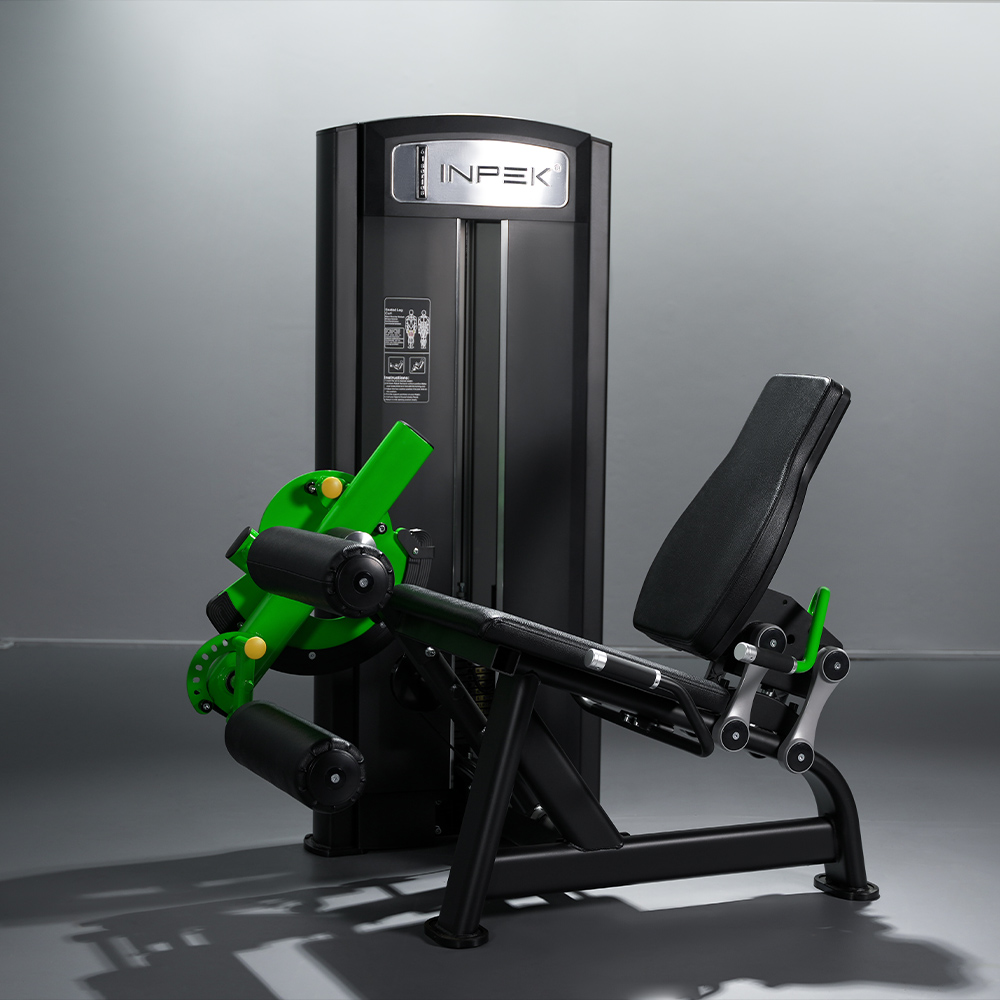
When choosing a commercial fitness equipment supplier, the focus should first be on the manufacturer’s R&D capabilities and production standards. Companies with independent intellectual property rights can usually offer more stable product quality and technical innovation. Take INPEK as an example: its commercial equipment is meticulously designed and manufactured by a professional team with strict quality control. Every piece of equipment uses high-quality materials and is carefully refined in every detail, such as seamless surfaces and hidden cables, fully demonstrating a commitment to quality. Furthermore, the manufacturer’s production scale and service track record are also key references, as a comprehensive service network ensures more reliable after-sales support.
Contents
- How to Find a Trustworthy Fitness Equipment Manufacturer
- Step One: Define Your Gym’s Needs
- Step Two: Research Potential Manufacturers
- Step Three: Verify Manufacturer Qualifications
- Step Four: Request Samples or Product Demonstrations
- Step Five: Customer Support and Warranty Service
- Step Six: Obtain Quotes and Compare Prices
- Conclusion
Step One: Define Your Gym’s Needs
Target Audience: Understanding the type of member you serve is the first step toward success. Before searching, we need to consider whether to provide simple, easy-to-use equipment for beginners, or high-intensity, high-performance equipment for experienced professionals? For example, if your gym primarily serves new mothers or retirees, then overly specialized heavy-duty power racks may not be suitable for you. However, if your members are experienced fitness professionals, you should choose equipment that is more robust and durable, capable of withstanding high-load training.
Space Assessment: How to achieve a reasonable layout within a limited space is a question worth considering. I suggest first determining the actual usable area of your gym and planning the placement of each piece of equipment appropriately. If placed randomly, excessively large equipment will occupy most of the space, which can negatively affect the member experience and potentially the overall aesthetic of the gym. Therefore, a reasonable and planned equipment layout will significantly increase space utilization, allowing members to train more comfortably.
Training Type: Clarify which types of training your gym primarily focuses on. Is it strength training, aerobic training, anaerobic training, or mixed training? For example, assuming your gym primarily offers strength training, the equipment you need to purchase includes squat racks, dumbbells, and free weight machines. If it is aerobic training, then treadmills, stationary bikes, and similar equipment will be your first choice.
Budget and Return on Investment: Whether the budget is sufficient also needs to be considered first. We must not only ensure that the selected equipment fits the budget but also guarantee a good return over long-term use. Purchasing cheap equipment may result in low initial costs, but the quality of cheap equipment is often unreliable, leading to high repair costs, and ultimately potentially causing greater losses. Conversely, a slightly higher initial investment, although more costly upfront, can ensure the quality and durability of the equipment, reducing future maintenance and replacement expenses.
Consider Future Expansion: Even if your gym is small now, you should consider room for future growth. For instance, you can choose modularly designed equipment, gradually adding more pieces as your business expands. Intelligent planning can avoid the trouble caused by large-scale renovations or equipment updates in the future.
Step Two: Research Potential Manufacturers
Once you have clearly defined your gym’s needs, the next step is to start looking for suitable equipment suppliers. By researching and comparing, you can ensure you find a trustworthy partner. Here are a few practical steps to help you find reliable fitness equipment manufacturers:
Conduct Extensive Online Search: Use specific keywords to search on Google, such as “professional reliable commercial fitness equipment,” “affordable strength training equipment,” etc., and select the manufacturers you deem suitable from the results. Browse their official websites to see if their product line can meet your needs and confirm whether they have experience and technical expertise in the fitness industry.
Browse Industry-Specific Directories: If you still feel confused about market choices, then industry directories will be an excellent reference tool for you. These directories categorize manufacturers by product type, covering everything from strength training to cardio. By browsing these directories, you can more quickly find suppliers that meet your needs, avoiding the waste of time from blind searching.
Join Industry Associations: Industry associations usually list fitness equipment manufacturers that comply with standards. These manufacturers typically adhere to strict industry requirements and quality control standards, serving as an important reference for your supplier selection. Manufacturers belonging to industry associations generally have a certain level of credibility and strength, allowing you to choose them with greater confidence.
Utilize Social Media and Online Communities: Join social media groups or forums in the fitness industry. For example, these groups exist on Facebook, and you can ask other gym owners in the groups how they source their equipment. Social media and online communities provide you with a platform where you can directly interact with other industry professionals, exchange experiences, and get their genuine feedback.
Step Three: Verify Manufacturer Qualifications
Once you have found a manufacturer that meets your needs, the next step is to verify their qualifications to ensure their equipment has no safety hazards. Here are some methods for verifying manufacturer qualifications:
Check Industry Certifications: A reputable manufacturer will usually have certifications such as ISO, TÜV, etc. These certifications indicate that the company meets international quality and safety standards. Before choosing a supplier, ensure their equipment has passed rigorous quality testing, guaranteeing the safety and durability of the products.
Review Company History and Client References: Understand their company history, assessing how long they have been in the industry and whether they have a stable operating record. Request client testimonials from the manufacturer, and contact existing customers to learn about their usage experience and after-sales service. This information can help you determine if the manufacturer is reliable and worthy of a long-term partnership.
Check if Products Meet Safety Standards: The safety of fitness equipment is paramount. Check whether the supplier’s products comply with local and international safety regulations. If the supplier fails to provide this information, ask them directly about the equipment’s safety standards. If you choose to purchase low-quality, non-compliant equipment due to seeking a low price, it may injure your members and cause serious negative consequences for your gym’s brand.
On-Site Inspection or Video Verification of the Factory: Visiting the factory in person is the most direct way to verify a manufacturer’s qualifications. During the inspection, you can learn about the factory’s production process, quality control system, and various stages of equipment manufacturing. If you cannot go in person, a video inspection can serve as an effective alternative. Through video conferencing or live filming, you can remotely tour the factory floor, viewing production facilities, machinery, and worker operations.
Step Four: Request Samples or Product Demonstrations
Before making a final decision, ask the supplier to provide samples or product demonstrations so you can personally test the equipment’s quality and user experience. Through hands-on operation, you can better judge whether the equipment is suitable for your gym’s needs.
Request Equipment Demonstration: Experiencing the equipment in person is the most effective verification method. Whether it’s an in-person demonstration or an online presentation, it can help you understand the equipment’s performance, stability, and whether it meets the actual needs of your members.
Evaluate Equipment Performance: During the demonstration, you can seek out other industry professionals to carefully test the equipment’s stability together. Check the welding, the equipment surface, and whether the operation is smooth. Hands-on experience provides the most intuitive feel for the equipment’s stability, ensuring it can meet the demands of daily high-intensity training.

Step Five: Customer Support and Warranty Service
Excellent customer support and reliable warranty service are crucial. When equipment issues arise, you need to ensure you receive timely support. Check whether the after-sales service provided by the supplier is user-friendly, and understand their warranty policy and maintenance support.
Check Response Speed and Service Quality: Send an email or call the manufacturer to inquire about their after-sales service. Pay attention to their response speed and communication efficiency. Good service ensures that you receive a quick resolution when equipment problems occur.
Verify Warranty Terms: Carefully read the warranty terms provided by the manufacturer, understanding the coverage and duration. Ensure the warranty terms do not contain hidden clauses and cover critical components, such as the motor and frame.
Step Six: Obtain Quotes and Compare Prices
Finally, contact multiple manufacturers to obtain quotes and make a detailed comparison. Choose the equipment that offers the best investment value, rather than blindly pursuing the lowest price. A detailed quotation can help you clearly understand every cost and avoid additional fees later.
Conclusion
Selecting a fitness equipment manufacturer is a process that requires careful planning and research. By defining your needs, conducting extensive research, verifying qualifications, hands-on experience, and comparing prices, you can find a trustworthy supplier, ensuring the quality and reliability of your equipment. In a long-term partnership with a supplier, you should focus not only on the equipment itself but also on their after-sales service and support. INPEK provides high-quality commercial fitness equipment to help you build a safe, durable, and efficient fitness facility. Contact us now to simplify your selection process and create your ideal gym.