How to Choose the Right Equipment for Your Gym: New or Used?
When initially opening a gym, the first step is to consider how to choose the right fitness equipment. In this situation, one of the most common decisions is: should you opt for brand-new fitness equipment or purchase used equipment? Each choice has its advantages and disadvantages, suitable for gyms with different budgets and needs.
As an expert who has worked in the fitness industry for many years, I have procured equipment for countless gym owners, whether new or used, and I can always help them make the right choice. In this article, we will fully explain the main differences between new and used fitness equipment to help you find the most suitable solution and make an informed decision.
Contents
Advantages and Disadvantages of New Fitness Equipment
Brand-new fitness equipment is undoubtedly the preferred choice for many gyms. They usually offer the latest technology, optimal condition, and a longer lifespan. Purchasing new equipment brings numerous benefits to your gym, but there are also some factors that cannot be overlooked. Let’s start with its advantages.
Advantages:
Latest Technology and Features: New fitness equipment is usually developed with the latest technology, offering advanced features such as touchscreen displays, heart rate monitoring, Bluetooth connectivity, and virtual fitness coaching. These functions enhance the user experience, attract more members, and boost the gym’s modernity and appeal.
Longer Warranty Period: Most new equipment manufacturers provide a warranty period. During this time, if any equipment issues arise, the gym owner can enjoy free repair or replacement services. This means you can obtain a solution without incurring additional repair or replacement costs.
Durability and Long-Term Investment: New equipment is designed to withstand frequent and high-intensity use. High-quality fitness equipment ensures high performance over a long cycle, usually several years, which is particularly important for commercial gyms with higher foot traffic.
Aesthetics and Brand Image: New equipment usually features a modern, stylish appearance, which can create a clean and professional atmosphere for the gym, helping to attract potential members. Members generally form a more positive impression of the equipment’s fashionable and high-end feel.
Low Maintenance Costs: New equipment typically does not require extensive maintenance in the first few years. Due to the lack of prior wear and tear, gym owners can save on equipment maintenance costs. Having discussed the advantages, let’s move on to the disadvantages:
Disadvantages:
Higher Initial Investment: The cost of new equipment is usually very high, which can be the biggest burden for newly established gyms with limited budgets. Especially for those just starting personal gyms, purchasing new equipment may necessitate compromises on other expenses.
Rapid Depreciation: New equipment begins to depreciate as soon as the purchase is completed, and the rate of depreciation accelerates once it is put into use. If you plan to sell the equipment after a few years, you will only be able to resell it at a price far lower than the initial purchase price.
Longer Delivery Time: Ordering new equipment typically requires a waiting period, sometimes lasting several months. This may impact the gym’s opening schedule, especially for operators who urgently need the equipment.
Advantages and Challenges of Used Fitness Equipment
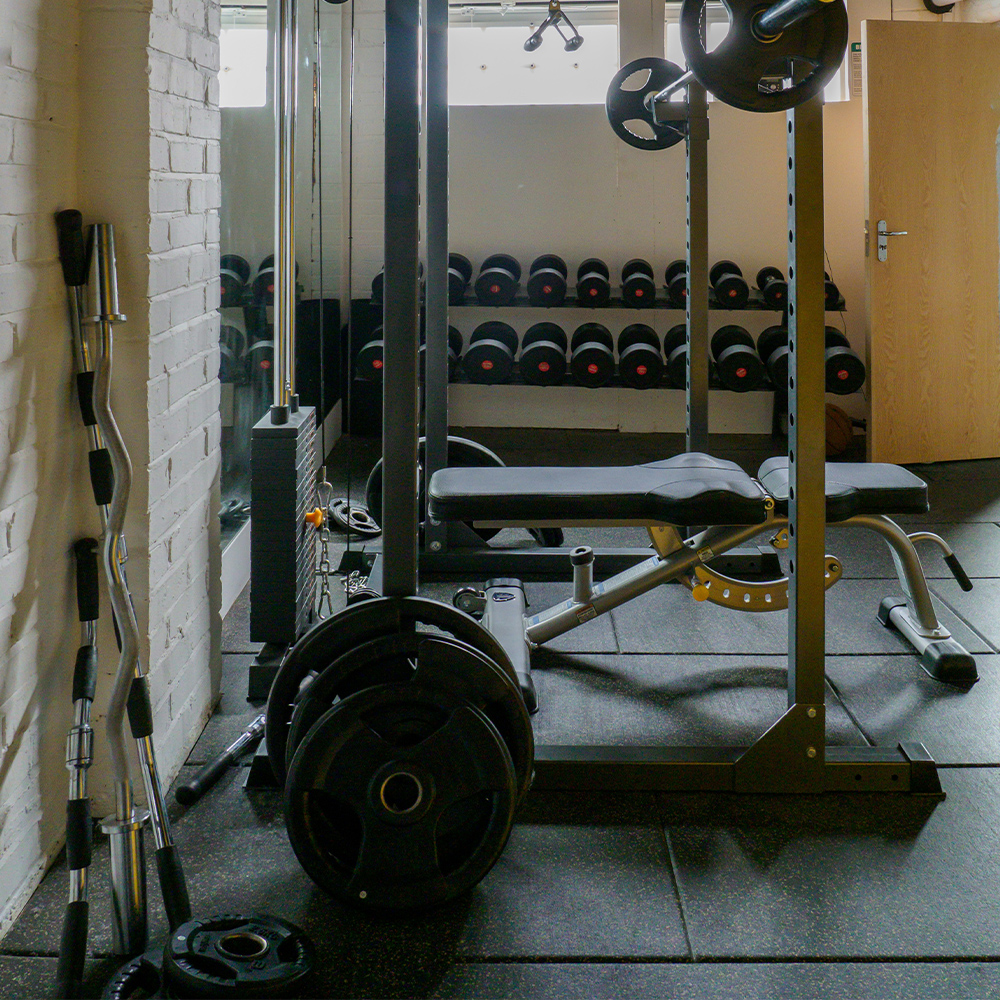
If the budget is tight or you wish to expand equipment quickly, used fitness equipment is a worthwhile consideration. Although they have been used, there are still well-maintained used equipment available on the market that can still provide reliable performance at a much lower price.
Advantages:
Cost Savings: The biggest attraction of used equipment for gym owners is its lower price. Compared to brand-new fitness equipment, you can acquire high-quality equipment with a much smaller budget, which is particularly crucial for newly established gyms.
Ready for Use: Purchasing used equipment usually means you can acquire the equipment faster without waiting for manufacturing and delivery times. This is especially beneficial for gyms planning a quick opening.
High Cost-Effectiveness: Although used fitness equipment on the market has been previously utilized, there are still items that have been refurbished or well-maintained, with performance nearly comparable to new equipment. By purchasing used equipment, you can obtain high-quality gear at a lower price.
Environmental Sustainability: Purchasing used equipment helps reduce waste and supports sustainability. For gym operators who prioritize environmental protection and resource utilization, this is the most direct reason for choosing used equipment.
Reduced Depreciation: The depreciation of used equipment has usually already occurred, and its value loss after purchase is minimal. This means if you need to resell the equipment, you won’t incur the same kind of loss as with new equipment.
Challenges:
Limited Warranty Service: Unlike new equipment, most used equipment does not come with a warranty period, and even if it does, the warranty is very short. If a malfunction occurs, you may have to bear the repair costs yourself, which could lead to higher maintenance expenses.
Wear and Tear and Older Technology: Most used equipment will show some signs of wear and tear, such as scratches, rust, or aging. These issues can affect the appearance and performance of the equipment. Furthermore, used equipment may lack modern features and technology, such as touchscreens and heart rate monitoring, which can impact members seeking a higher-quality experience.
Limited Customization Options: Most used equipment does not offer customization options; you can only choose from existing appearances and features. This may affect the overall layout of your gym, especially if you require specific colors or designs to match the gym’s style.
| Category | New Fitness Equipment | Used Fitness Equipment |
| Cost | High | Low |
| Functionality | Most advanced and comprehensive features | Older, outdated features |
| Brand Image | Enhances professional image and visual appeal | Lacks appeal |
| Quality Condition | Brand new, excellent quality | May have wear and tear, affecting appearance |
| Customization | Can be customized according to needs | Almost non-customizable |
| Depreciation | Fast depreciation rate | Slow rate |
| Logistics Lead Time | Generally requires a longer delivery time | Can be provided immediately |
| User Satisfaction | Better enhances user experience | May frequently require maintenance, affecting experience |
| Resale Value | Price drops rapidly | Retains value better |
| Environmental Impact | Requires new resources for production | Favorable for sustainable development |
How to Choose the Right Equipment for Your Gym: Three Tips
When deciding whether to purchase new or used equipment, the following three key factors can help you make a more appropriate choice:
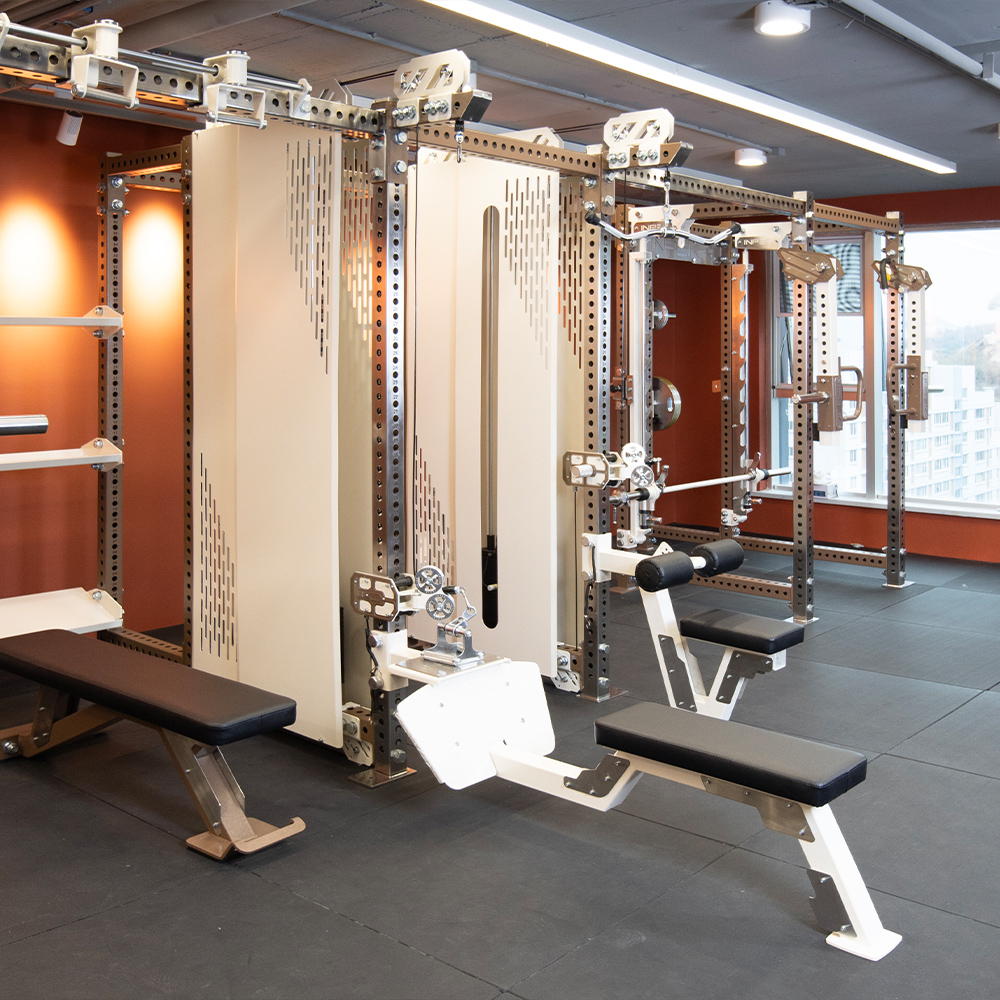
Evaluate Brand Reputation: Regardless of whether you choose new or used equipment, selecting a brand with a good reputation is crucial. For instance, brands known for their reliability and durability, such as INPEK and LIFEFITNESS, can ensure the long-term stability of the equipment you purchase.
Confirm Equipment Safety and Functionality: Safety and comprehensive functionality are priority considerations when selecting fitness equipment. If purchasing used equipment, ensure all safety features are working properly, especially the anti-slip handles on strength training equipment. If safety features cannot meet requirements, it is best to consider opting for new equipment.
Plan for Long-Term Usage Needs: If you plan for long-term use and want the equipment to continuously provide high-efficiency support, purchasing new equipment is a very wise choice. If your budget is tight and you want to open your gym quickly in the short term, then used equipment can also be a good choice.
Conclusion
The fundamental choice between new and used fitness equipment depends on your budget, your gym’s needs, and your long-term goals. New equipment offers modern technology, a longer warranty, and lower maintenance costs, but the initial investment is higher. While used equipment is cheaper, it may require more maintenance and face issues with outdated features.
Making the most appropriate choice based on your specific circumstances can ensure your gym not only saves costs but also provides a high-quality fitness experience for members. INPEK provides new equipment and can also customize procurement plans to help you build a high-quality gym within your budget. Contact us now to learn about more options.